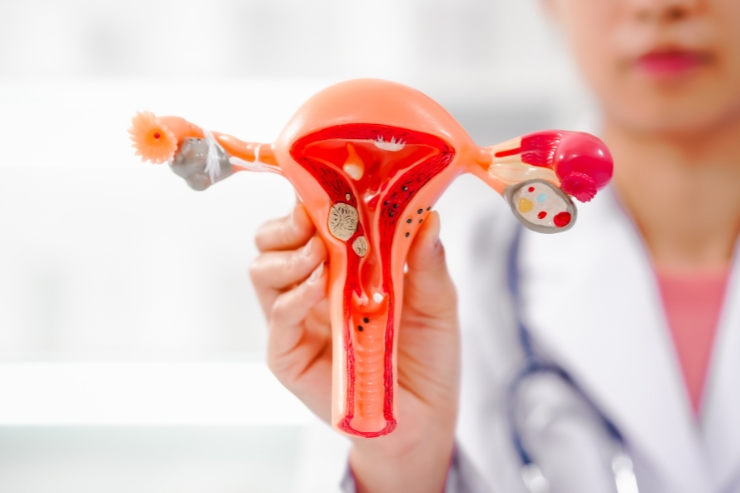
Uterine Fibroids Treatment in New Delhi – Advanced Care for Healthy Reproductive Well-Being
Uterine fibroids are non-cancerous growths that develop in or around the uterus. They are one of the most common gynecological conditions affecting women during their reproductive years. While some fibroids do not cause any symptoms, others may lead to heavy menstrual bleeding, pelvic pain, frequent urination, or fertility concerns. Early diagnosis and personalized treatment can help relieve symptoms, improve quality of life, and preserve reproductive health whenever possible.
If you are looking for expert uterine fibroids treatment in New Delhi, Dr. Anshu Chamoli provides comprehensive gynecological care backed by over 10 years of experience in Obstetrics, Gynaecology, and Reproductive Medicine. She offers evidence-based treatment plans, advanced minimally invasive procedures, and compassionate care tailored to each woman’s symptoms, age, and future pregnancy goals.
What are Uterine Fibroids?
Uterine fibroids, also known as uterine leiomyomas, are benign (non-cancerous) tumors that arise from the muscle layer of the uterus. They can vary in size, number, and location, and may develop inside the uterine wall, on its outer surface, or within the uterine cavity.
Many women with fibroids may not experience any symptoms and discover them during a routine gynecological examination or ultrasound. However, larger or multiple fibroids can cause menstrual irregularities, pelvic pressure, pain, and reproductive challenges. Early evaluation helps determine whether treatment is necessary and which option is most appropriate.
Why is Uterine Fibroid Treatment Important?
Timely diagnosis and appropriate treatment help relieve symptoms, prevent complications, and support long-term reproductive health.
Key benefits include:
Relief from heavy menstrual bleeding
Reduction in pelvic pain and pressure
Improved menstrual regularity
Better bladder and bowel comfort
Management of fertility-related concerns
Prevention of fibroid-related complications
Personalized treatment based on fibroid size and location
Improved quality of life
Early medical care allows treatment before fibroids significantly affect daily activities or reproductive health.
What Happens During Fibroid Evaluation and Treatment?
Dr. Anshu Chamoli performs a detailed assessment to understand your symptoms, evaluate the fibroids, and recommend the most suitable treatment approach.
The evaluation and treatment may include:
Detailed medical and menstrual history
Physical and pelvic examination
Ultrasound examination
Additional imaging when required
Blood tests if indicated
Medical management to control symptoms
Minimally invasive surgery when appropriate
Fertility counselling if pregnancy is planned
Regular follow-up to monitor fibroid growth and symptom improvement
Every treatment plan is individualized to provide effective symptom relief while preserving reproductive health whenever possible.
Benefits of Expert Fibroid Management
Comprehensive fibroid treatment helps women achieve long-term relief while maintaining their overall gynecological health.
Relief from Heavy Menstrual Bleeding
Appropriate treatment helps reduce excessive menstrual bleeding and lowers the risk of anemia.
Reduced Pelvic Pain and Pressure
Managing fibroids can relieve pelvic discomfort, abdominal fullness, and pressure on nearby organs.
Preservation of Fertility
For women planning pregnancy, treatment options are selected to support future fertility whenever possible.
Advanced Minimally Invasive Treatment
When surgery is necessary, minimally invasive procedures often result in smaller incisions, reduced discomfort, minimal scarring, and quicker recovery.
Personalized Care Plans
Treatment is tailored according to the size, number, location of fibroids, symptom severity, and the patient’s reproductive goals.
Improved Quality of Life
Effective management helps women return to their normal routine with greater comfort, confidence, and improved overall well-being.
Who Should Seek Treatment for Uterine Fibroids?
Women experiencing persistent symptoms suggestive of fibroids should consult a gynecologist for timely evaluation.
Medical assessment is especially recommended for women who:
Have heavy or prolonged menstrual bleeding
Experience pelvic pain or pressure
Notice frequent urination
Feel abdominal fullness or swelling
Experience pain during intercourse
Have difficulty conceiving
Have recurrent pregnancy loss associated with uterine abnormalities
Have fibroids detected during a routine ultrasound
Early consultation helps determine the most appropriate treatment while preventing further complications.
Why Choose Dr. Anshu Chamoli for Uterine Fibroids Treatment in New Delhi?
Dr. Anshu Chamoli is a highly experienced Consultant Gynaecologist and IVF Specialist dedicated to providing advanced, compassionate, and evidence-based women’s healthcare. With advanced qualifications in Obstetrics & Gynaecology, Fellowship in Minimal Invasive Gynaecological Surgery (MIGS), and Fellowship in Reproductive Medicine, she has extensive expertise in diagnosing and treating uterine fibroids using both medical and minimally invasive surgical techniques.
Her patient-centered approach focuses on accurate diagnosis, individualized treatment, fertility preservation, and faster recovery. She carefully evaluates every patient’s condition and develops a personalized treatment plan that aligns with her health needs and future family planning goals.
If you are searching for trusted uterine fibroids treatment in New Delhi, consult Dr. Anshu Chamoli for expert gynecological care, advanced minimally invasive treatment options, and compassionate support to help you achieve lasting relief and better reproductive health.
Frequently Asked Questions (FAQs)
1. What are the common symptoms of uterine fibroids?
Common symptoms include heavy menstrual bleeding, pelvic pain or pressure, frequent urination, abdominal fullness, painful periods, and difficulty conceiving in some cases.
2. Are uterine fibroids cancerous?
No. Uterine fibroids are benign (non-cancerous) growths and are not the same as uterine cancer.
3. Can fibroids affect pregnancy?
Depending on their size and location, some fibroids may affect fertility or pregnancy. Your doctor will recommend the most appropriate treatment if you are planning to conceive.
4. Do all fibroids require surgery?
No. Many fibroids can be managed with medication and regular monitoring. Surgery is recommended only when symptoms are significant or other treatment options are not suitable.
5. How are uterine fibroids diagnosed?
Fibroids are usually diagnosed through a pelvic examination, ultrasound, and additional imaging tests when necessary to determine their size, number, and location.